PHILOSOPHY AND INNER LIFE
These books explore the architecture of human experience: identity, consciousness, and meaning. They invite readers to pause, look within, and rediscover wisdom hidden in ordinary life and the present moment’s grace.
After a lifetime of achievement and usefulness, Rohan Mehta finds himself standing in a quieter season of life, where the future feels less like a plan than a question. He is left asking what remains of value when competence no longer defines the day. When he brings home a handmade clay cup from his late mother’s kitchen, he does not yet know that this modest object will alter the way he understands age, loss, repair, and hope.
After a lifetime of self-reliance, Evelyn Shaw finds herself in a season of life she never imagined she would have to negotiate: one in which the body no longer obeys without question. She travels alone to the west coast of Ireland to complete an old pilgrimage route. Forced at last to carry a walking stick she resents as a symbol of decline, Evelyn sets out determined to prove that she is still equal to the road ahead.
After a lifetime spent documenting the world’s darkest places, Julian Vale, a celebrated conflict photographer, has become a man more fluent in suffering than in comfort. But then the sudden death of his estranged younger sister brings him to a hill town in Umbria, a small candle workshop and one unfinished obligation. Julian finds himself confronted by a life he has never learned to value.
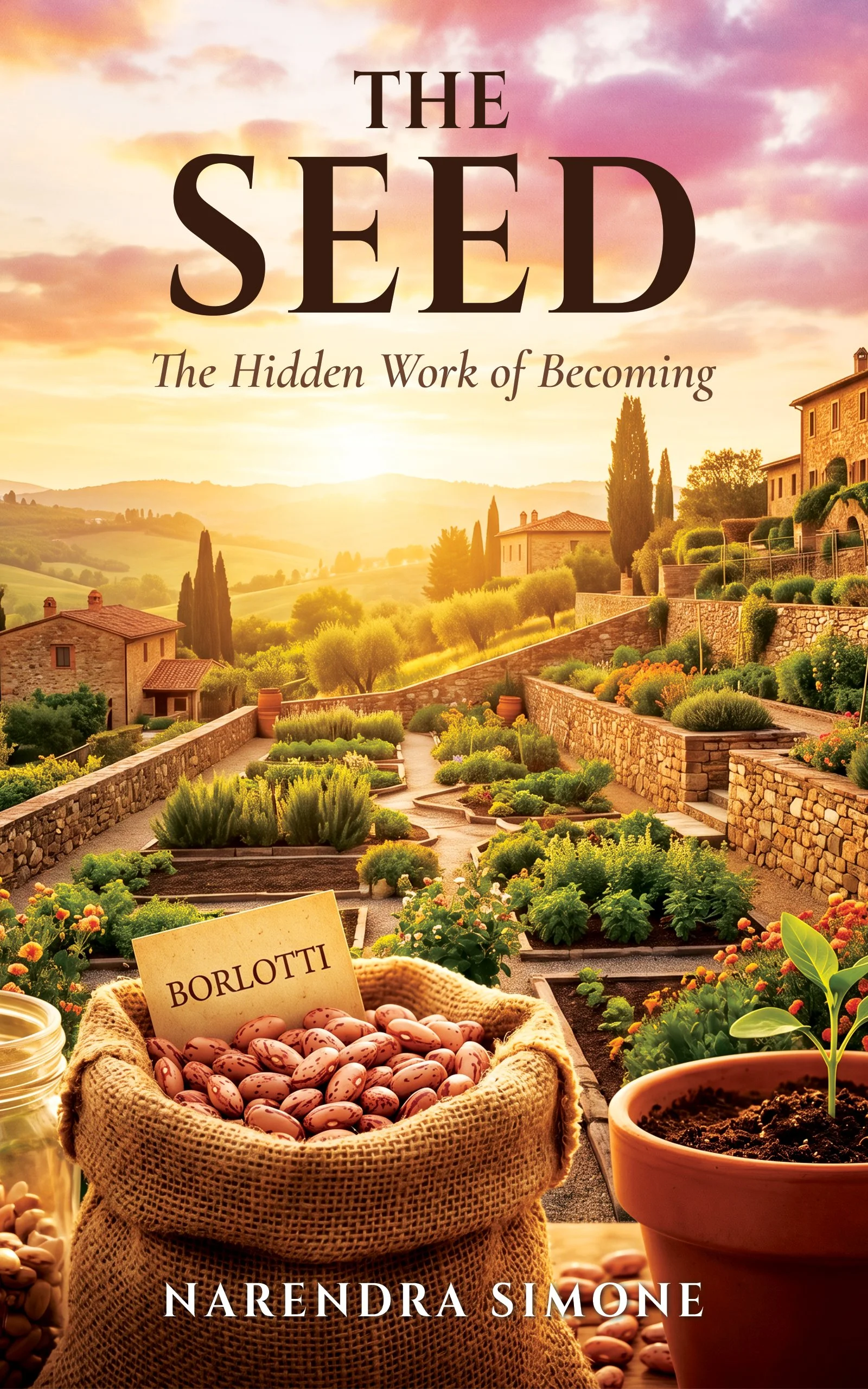
After a lifetime spent designing buildings and public spaces, Leonardo Valli returns to his family’s neglected hillside estate in Tuscany after the death of his older brother. He intends only to settle the property and sell it quickly. But the land, like grief, proves less obedient than he expects. Bound by the terms of his brother’s will to remain through one growing season and restore the old seed garden his grandmother once tended.
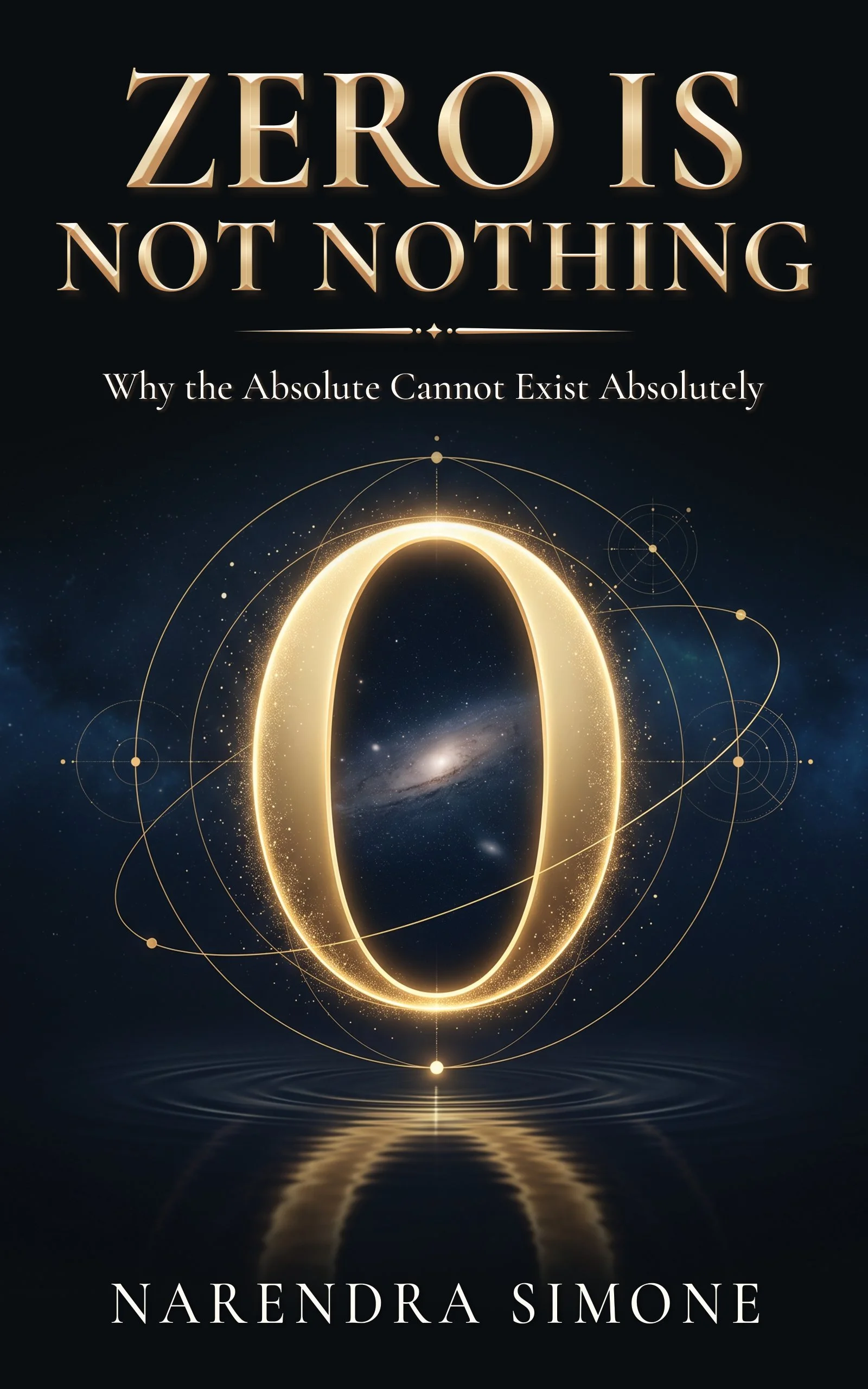
Drawing upon the ancient wisdom of the Vedas, the Upanishads, the Dao, Egyptian Ma’at, and the questioning spirit of Herodotus, this book suggests that the great metaphysical traditions did not merely offer beliefs, but trained the human mind to think beyond the obvious. Their insights are placed in thoughtful conversation with modern scientific revolutions.
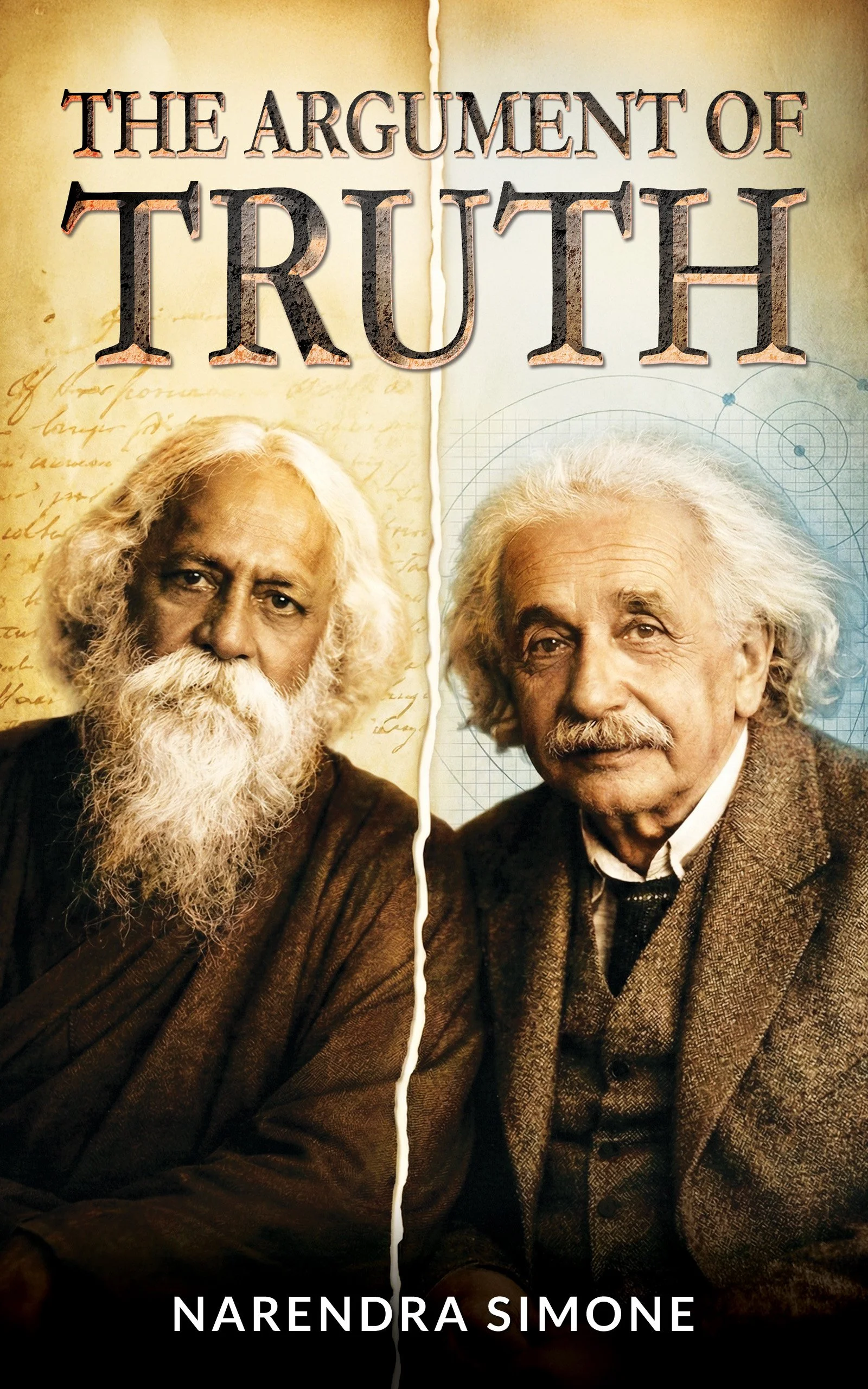
In 1930, two of the greatest minds of the modern age—one a physicist, the other a poet—sat together to debate a question that still haunts us: Is truth independent of humanity, or does it exist only through us? What began as an intellectual exchange between Albert Einstein and Rabindranath Tagore would echo far beyond a quiet lakeside conversation: If truth becomes authority, who bears responsibility for what it permits?
In 1896, Nikola Tesla, the visionary inventor, encountered Vivekananda, the Vedantic teacher of consciousness, discipline, and the unity beneath all name and form. Science asks how invisible forces can be understood. Vedanta asks what consciousness reveals, and whether the divisions between matter, mind, space, and energy are final truths—or merely the limits of ordinary perception.

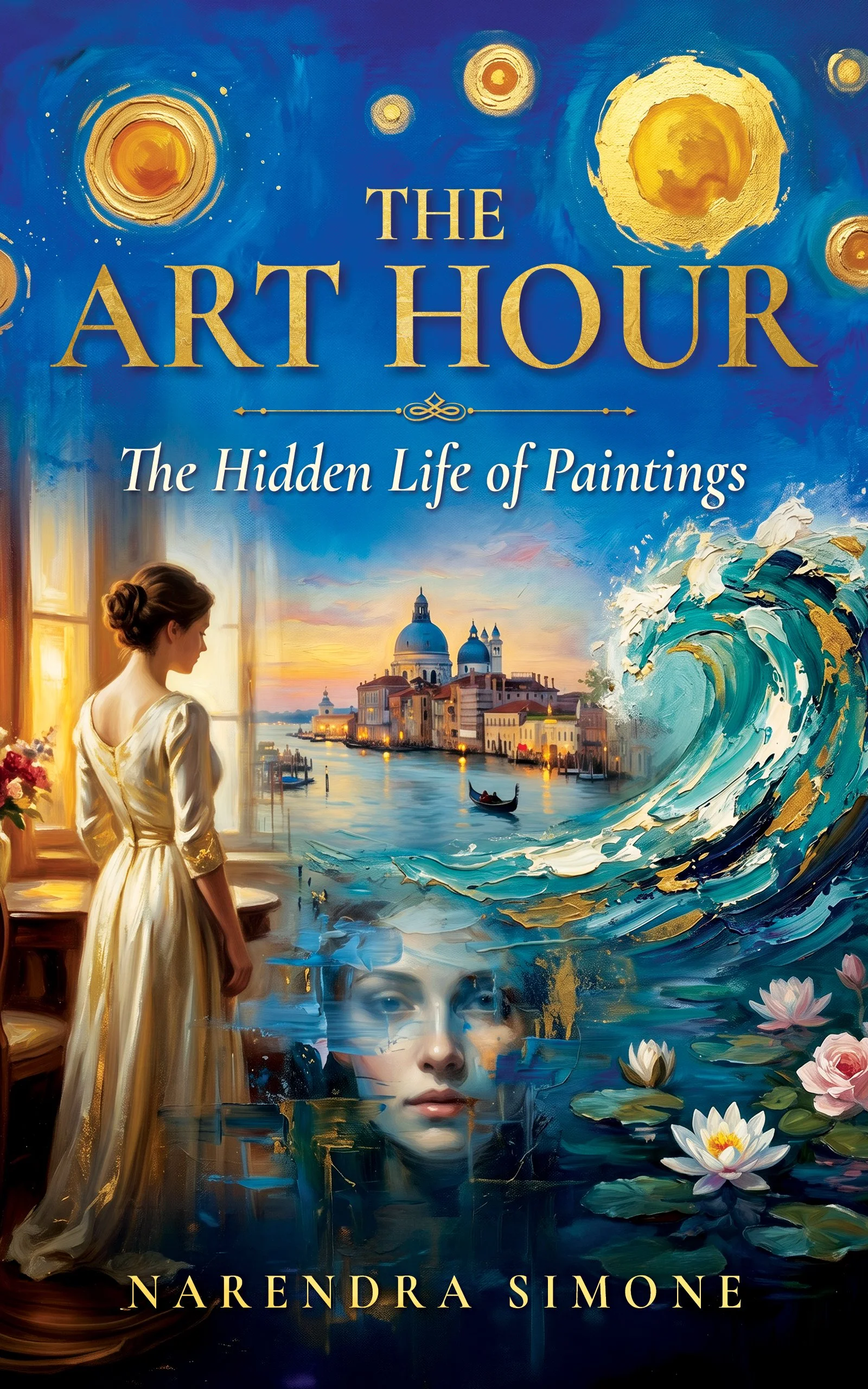
This is not a conventional book about art history. It is a luminous journey through twenty masterpieces and twenty aspects of human life. Rembrandt teaches presence, Vermeer teaches mystery, Van Gogh transforms turbulence into wonder, Picasso demands compassion in a broken world, Klimt asks whether love can shelter, Monet softens attention, and Raphael reminds us that wisdom is a lifelong conversation.
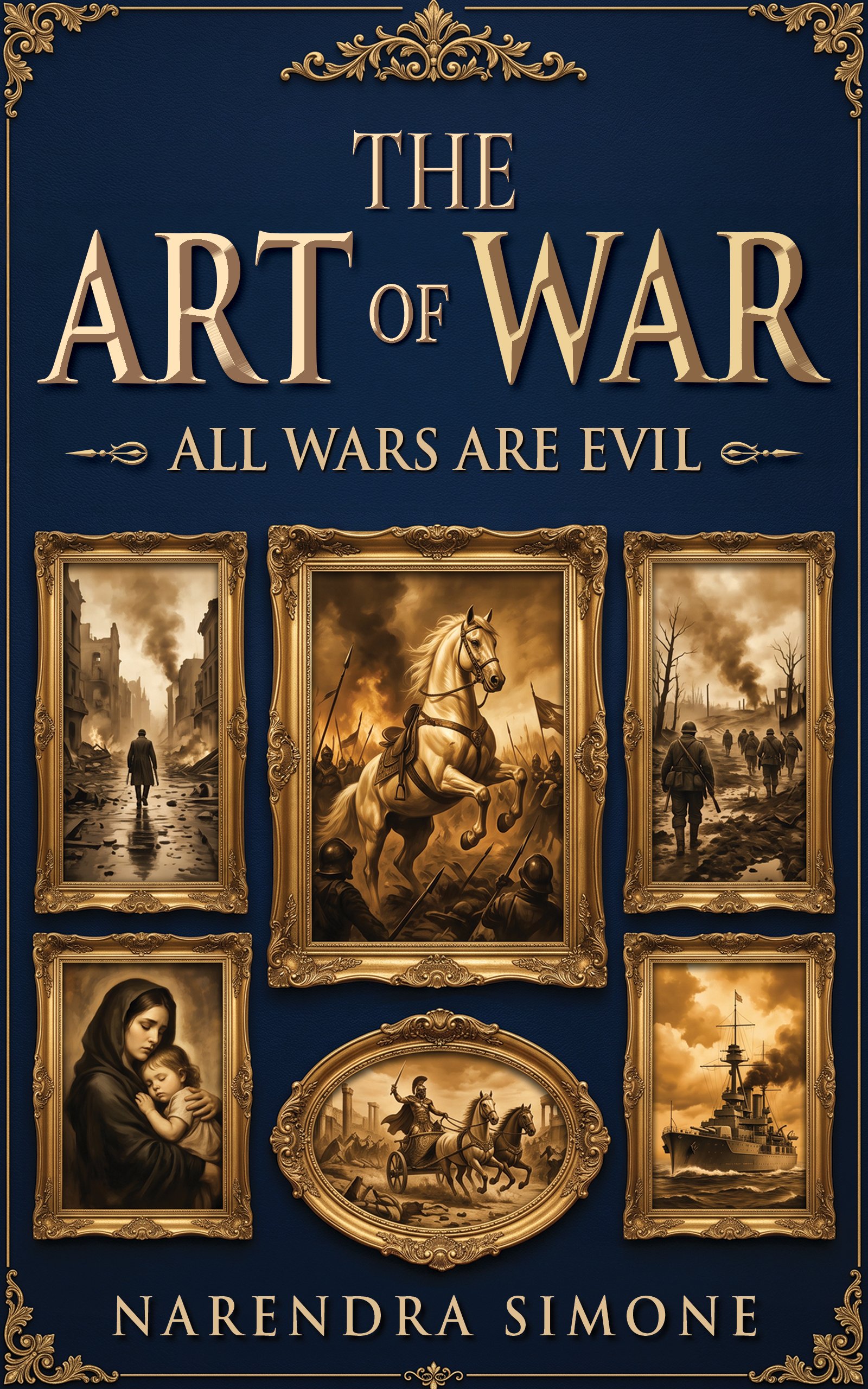
Through the works of renowned painters, this book asks: who pays the price when nations march, and empires expand? In these paintings, horses scream, mothers mourn, cities burn, soldiers vanish, and ordinary people become the unnamed casualties of ambition. This is not an anti-soldier book. It is an anti-war book. It honours those who endure war by condemning the systems that make war necessary.
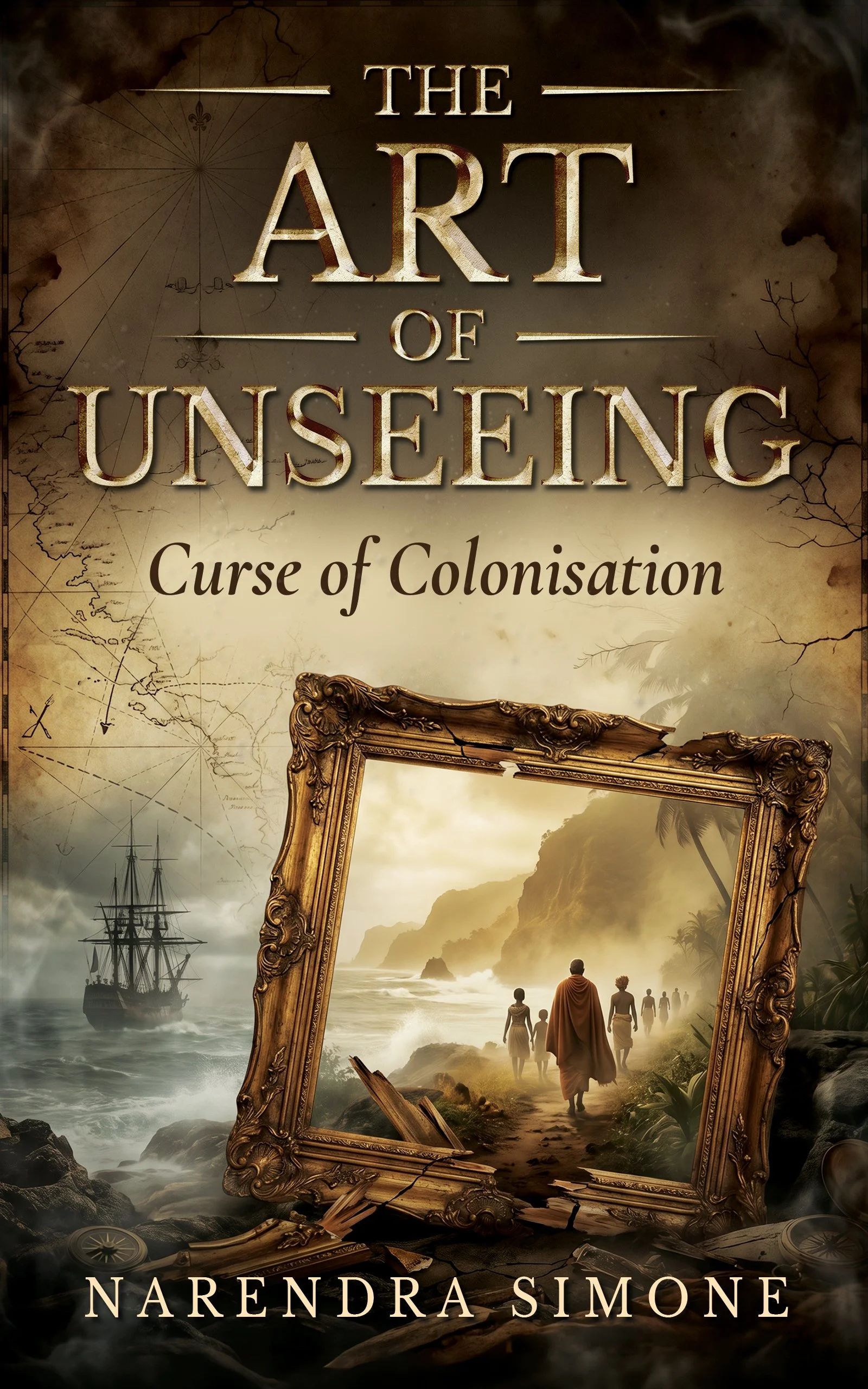
What if colonisation survived not only through ships, flags, armies, laws, markets, and schools—but through the way people were taught to see? Paintings by François-Auguste Biard, Benjamin West, John Gast, George Catlin, Gordon Bennett, Daniel Boyd, Kent Monkman, and others become more than works of art. They become evidence. They become witnesses. They become mirrors held before civilisation.
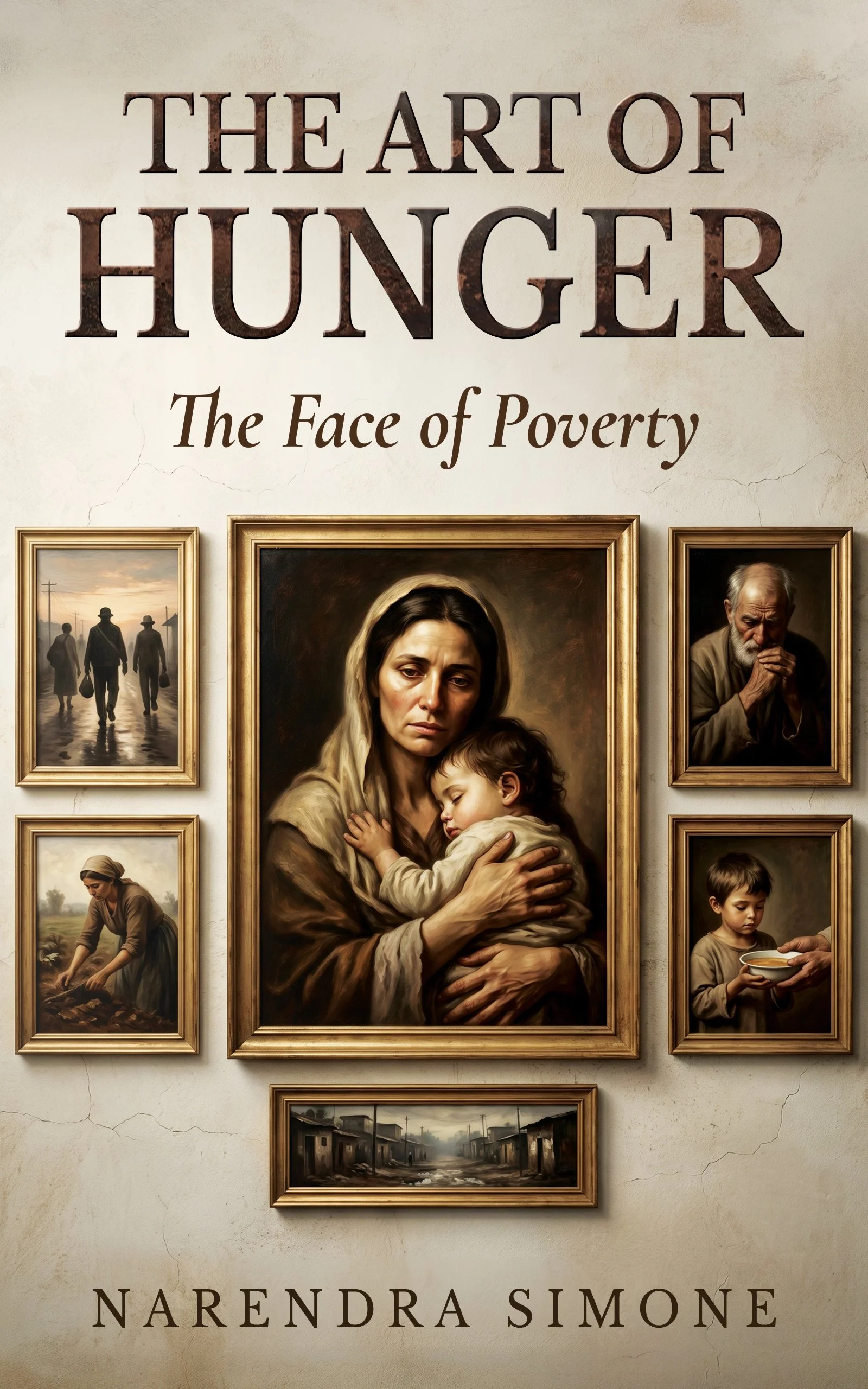
The works of Millet, Van Gogh, Daumier, Picasso, Courbet, Tanner, Hopper, Munch, and others reveal poverty not as an abstraction, but as hunger, labour, waiting, loneliness, and quiet dignity. This is not a book that romanticises poverty. Hunger is not holy. Exhaustion is not noble. Deprivation does not purify the soul. But neither does poverty erase dignity, love, tenderness, courage, or the right to be seen.
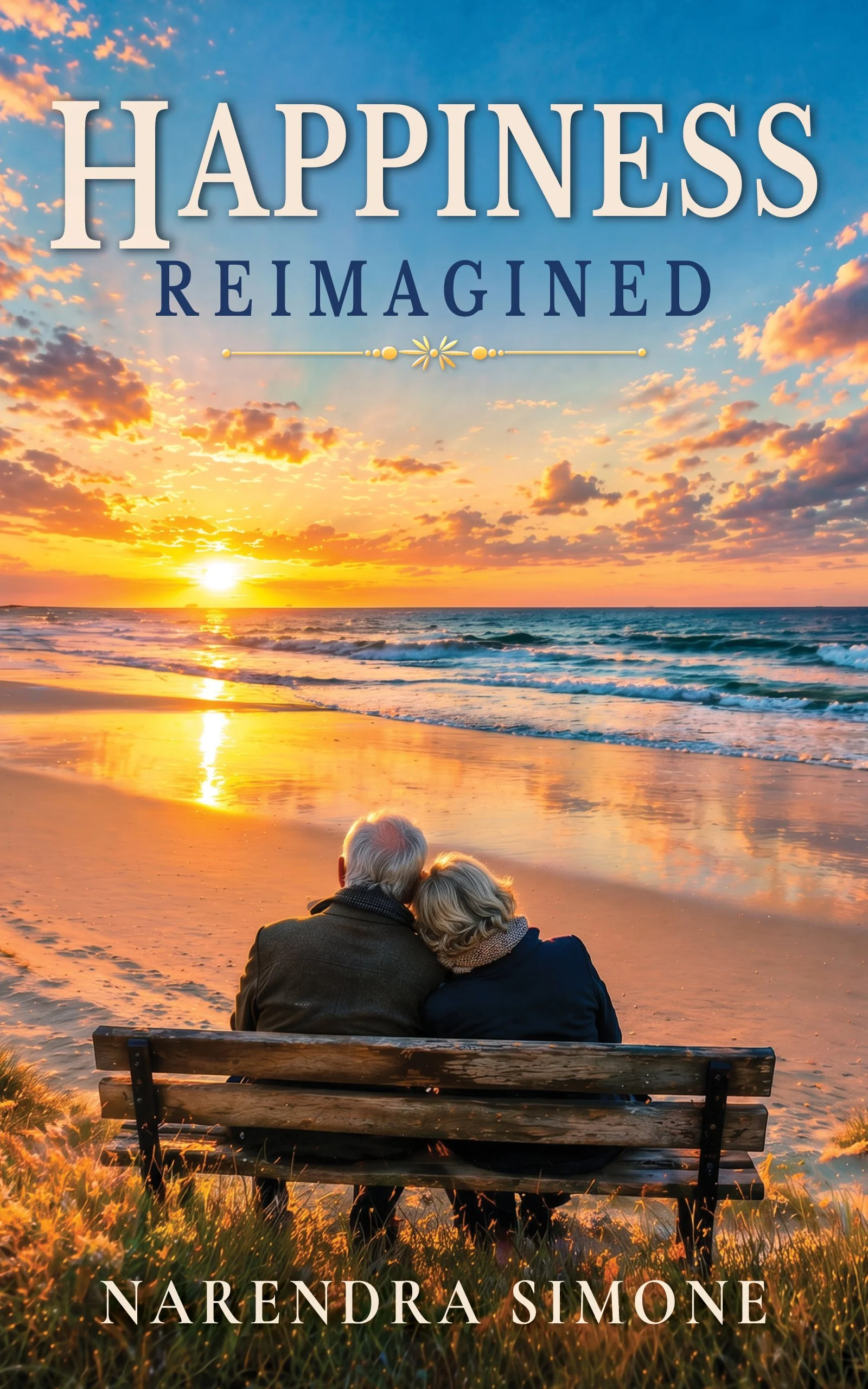
For years, he has lived by the values the world most readily rewards—achievement, usefulness, and the quiet dignity of keeping sorrow at bay. He has loved deeply, and built a life that appears full from the outside. Yet as age, grief, and the changing shape of time begin to strip away old certainties, he finds himself standing before a more searching truth: a life can look complete and still leave the heart asking what, in the end, truly matters.
For thousands of years, our nervous system has pushed us toward two ancient instincts: fight or flight. But beneath these reflexes lies another possibility — a more powerful way of being. The Third Option invites you into that hidden space between stimulus and response, where awareness awakens and frees you from the grip of old conditioning. Awakening is the choice we make in the quiet moment before we react.
In every human’s head, there is a silent conversation. It speaks in warnings, doubts, accusations, and predictions. Sometimes it sounds so convincing that we mistake it for truth. But what if the voice inside the mind is not merely noise to be silenced? What if it is a messenger? This book is an invitation to enter the mind through another doorway: not only by asking how to quiet the voice, but also by asking what the voice is trying to protect.
The ancient road of the Buddha is reimagined through the eyes of Ananda, his beloved attendant, cousin, witness, and lifelong seeker. More than a retelling of sacred history, this luminous novel follows the inner journey of a man who walks beside greatness yet must discover truth for himself.
Profoundly humane, philosophical, and emotionally charged, it is a novel about the false promises of consumer culture and the hidden hunger beneath them. Why do so many people, surrounded by choice and convenience, remain restless and estranged from themselves? Is happiness mistaken for pleasure, when it may in fact depend on something far rarer: truth, courage, and the willingness to live without disguise?
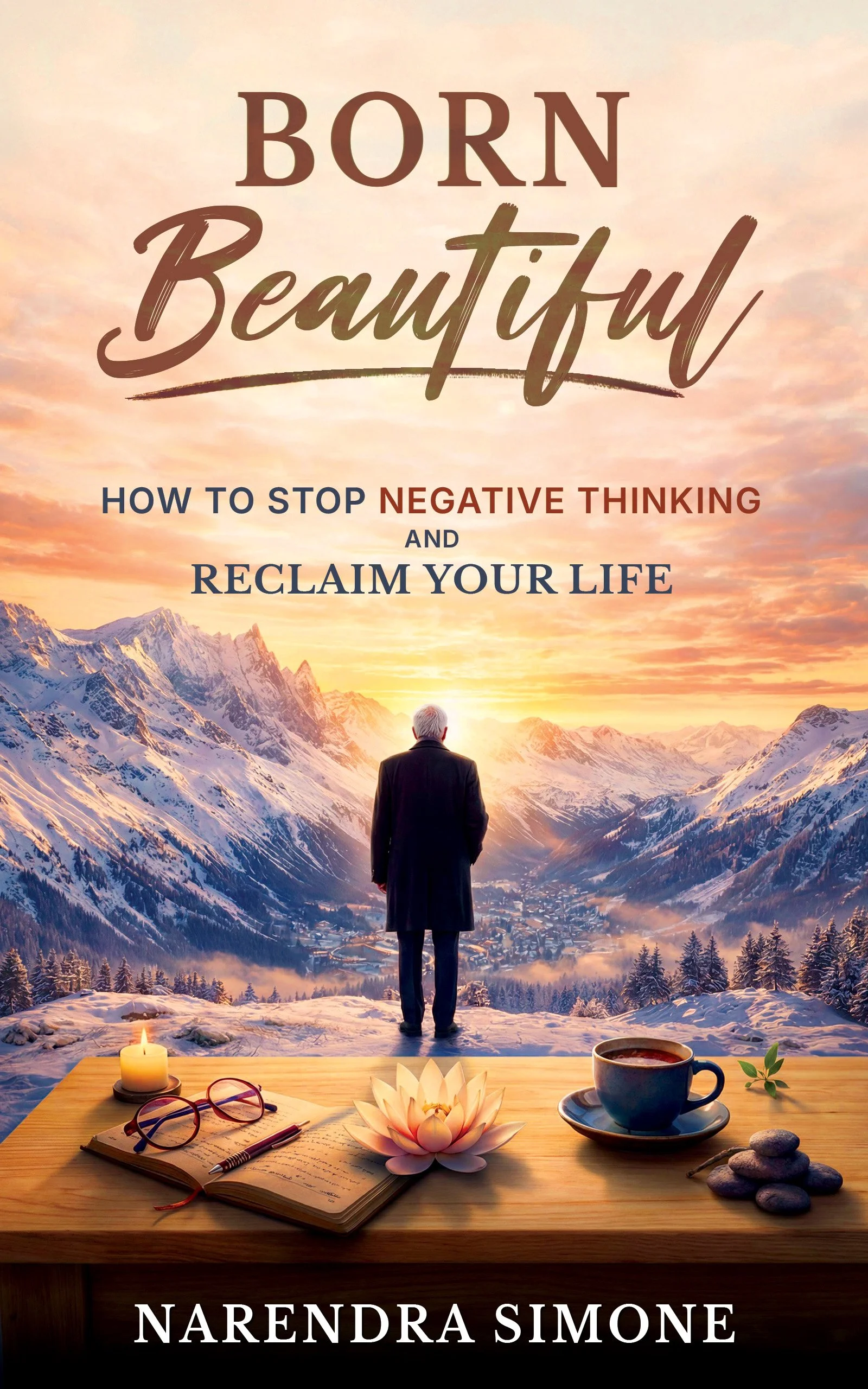
When cancer enters the life of a seventy-eight-year-old man, it unsettles time itself. Years of disciplined living with Chronic illnesses had taught him endurance and the art of carrying vulnerability without surrendering joy. Through neuroscience, reflection, and lived experience, the story traces the journey from dread to discernment, and from the tyranny of negative thinking to a more spacious, compassionate way of being.
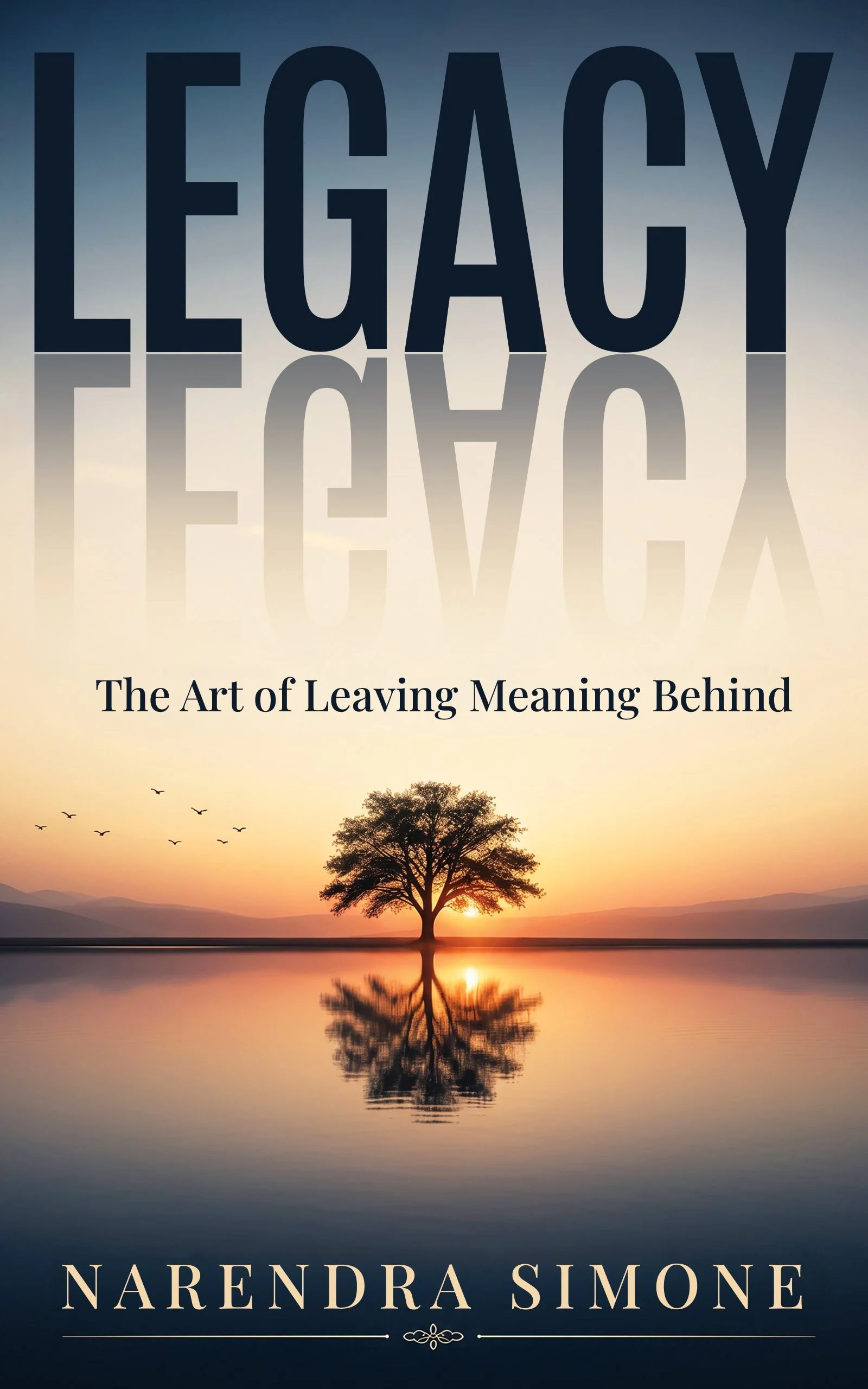
When the steady architecture of a life well-lived begins to quieten under the weight of time, one is drawn into an unsettling question: not what he has achieved—but what, of him, will remain. Deeply reflective, philosophical, and emotionally resonant, LEGACY is a meditation on what it means to matter. Legacy is something we create, moment by moment, in how we love, forgive, and remember.
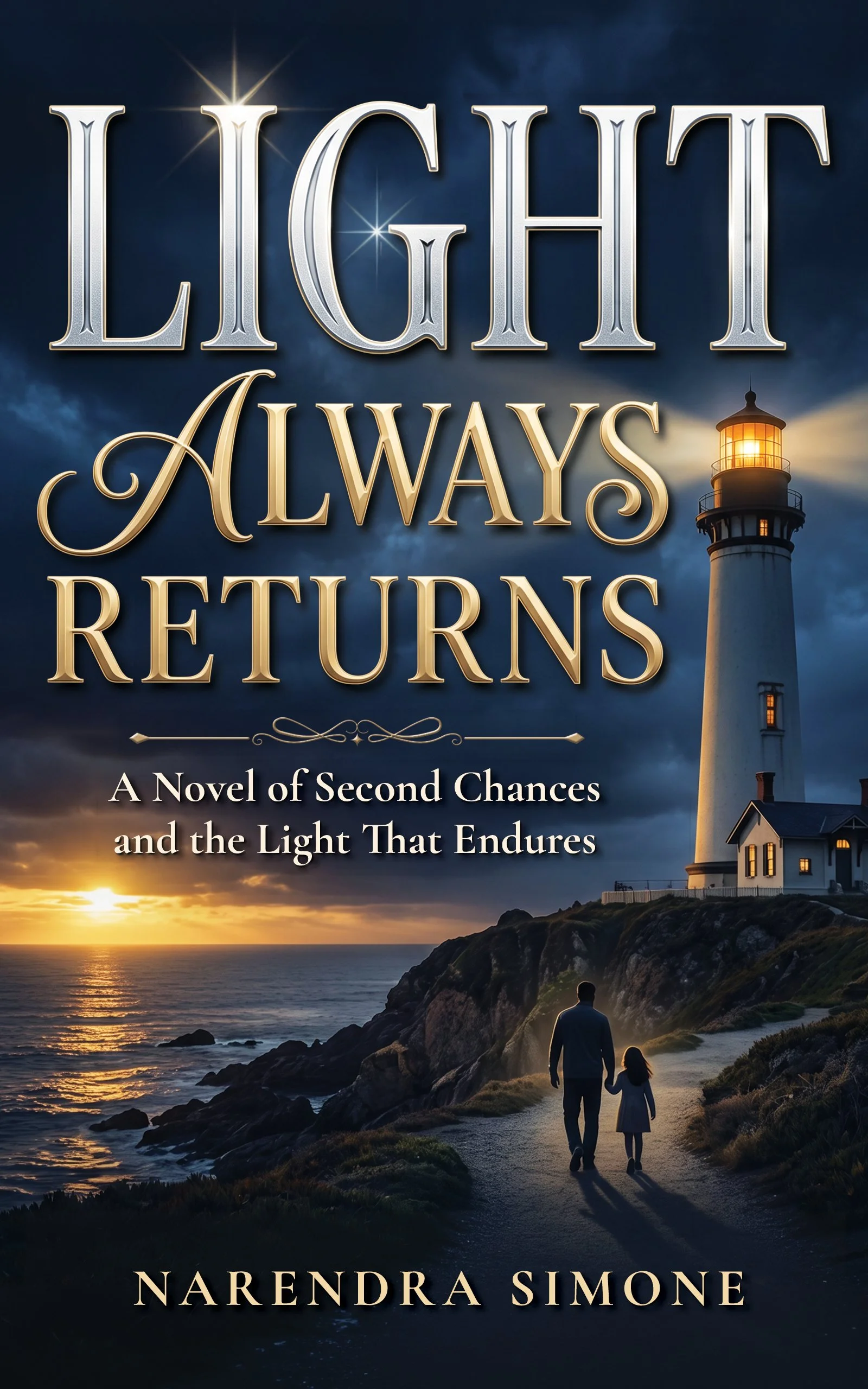
What begins as a return to memory becomes a journey into conscience. Around Andrew gathers a wounded but quietly courageous community, and together, they must decide whether a town’s soul can be saved from profit, forgetfulness, and the convenient darkness of buried truth.
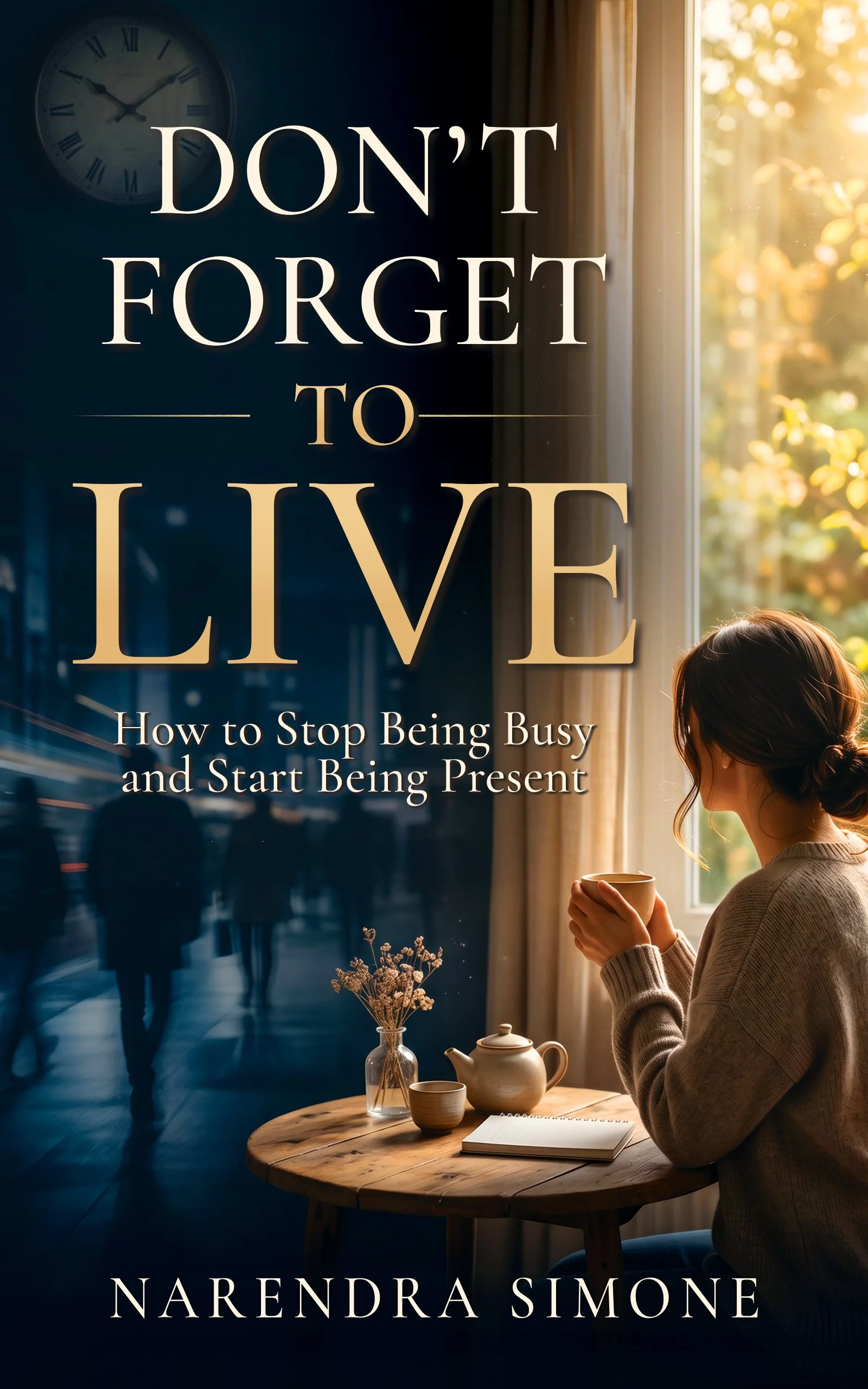
This is not a book about escaping life, or withdrawing from the world. It is something subtler and more necessary: an invitation to return to the life already here. With warmth, philosophical tenderness, and quiet humour, the author asks whether we have confused busyness with meaning, usefulness with worth, and constant motion with being alive. It reminds us that the ordinary is not empty; it is merely overlooked.
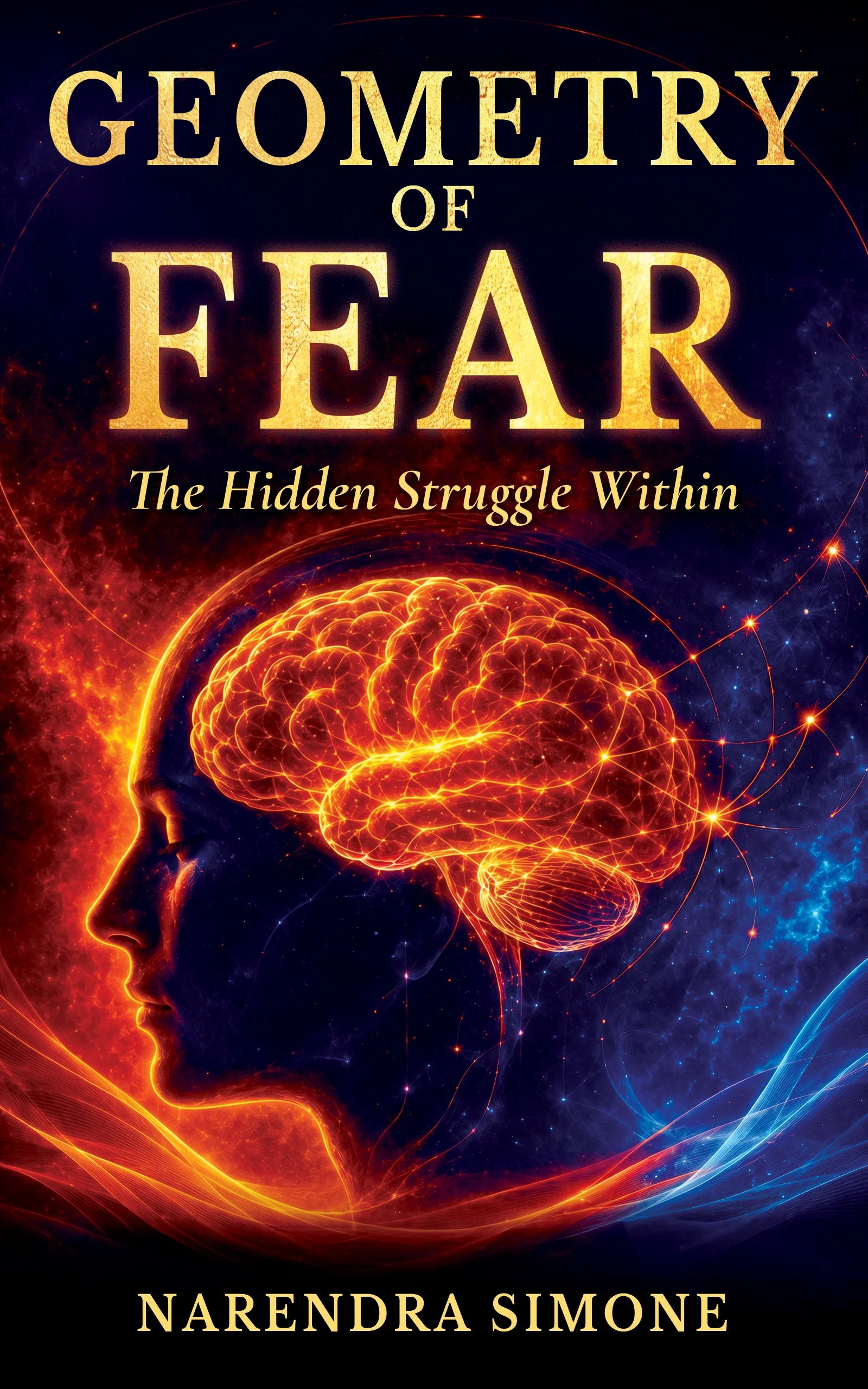
Blending narrative, metaphor, and contemporary insights into neuroplasticity, autonomic regulation, and sleep, the book reveals transformation as a series of small returns. As neural rhythms become a language for lived experience, the book honours both science and mystery. It reminds us that data can illuminate the nervous system, but only a story can reveal what it feels like to be afraid, to soften, and to return.
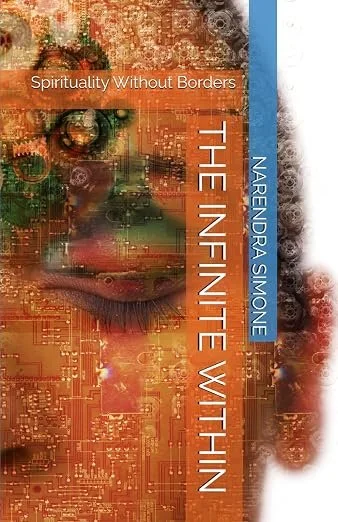
THE INFINITE WITHIN explores what happens when a mind shaped by fear and vigilance begins to rediscover safety. Through neuroscience, memory, human connection, and the rhythms of the brain, the novel reveals how repeated moments of rest and awareness can gradually transform survival into healing, freedom, and wholeness.
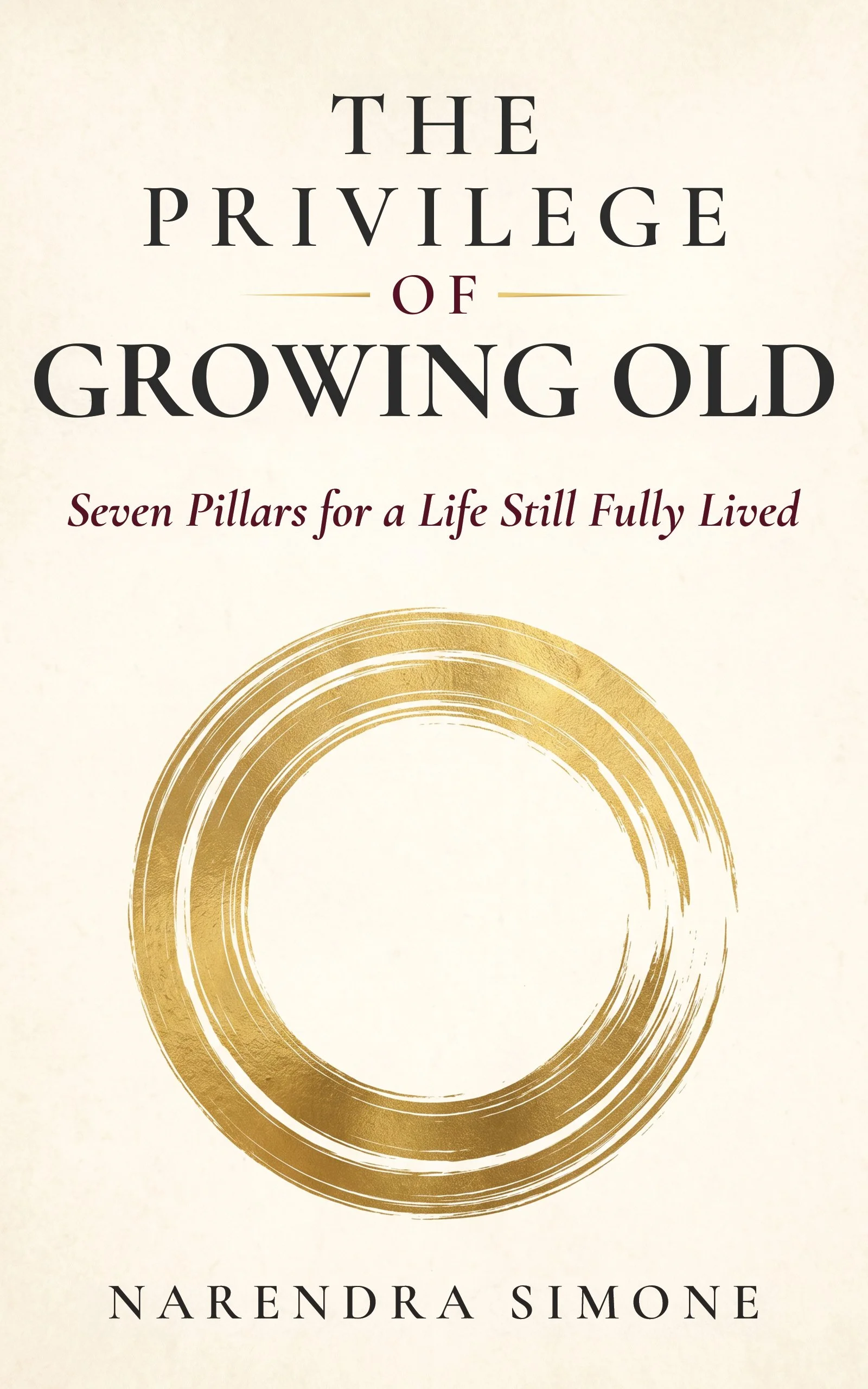
Growing old is not a surrender to time, but an invitation to live with greater clarity. The years take certain things from us, yet they also give something precious in return: perspective. We begin to understand what deserves our attention, whom we love, and how little of life should be wasted on fear or regret. Age, when embraced wisely, is not the closing chapter. It is the privilege of knowing how to read the story.
I AM offers a thoughtful and humane exploration of what it means to return to the Self beneath identity, ambition, fear, and expectation. I AM draws on nature, philosophy, experience, and ancient wisdom to examine the unity beneath our divided lives. Moving from the outer world toward inner awareness, the book asks a simple but transformative question: if we strip away everything we think we are, what remains—and can that discovery change how we live?